Types of Natural Stone Used in Stone Masonry Projects
People seeking stone masonry construction often want expert help with choosing suitable types of natural stone, which local contractors can provide based on project needs.
Understanding the different types of natural stone used in stone masonry projects can be a valuable step for property owners considering updates or enhancements to their outdoor spaces. Whether planning a durable patio, a striking retaining wall, or an elegant façade, knowing the characteristics of various stones helps in making informed choices that balance aesthetics with practicality. Local contractors specializing in stone masonry construction are well-versed in these materials and can provide guidance tailored to the specific needs of the local environment and your property’s design goals.
Exploring the options available in natural stone allows property owners to appreciate the unique qualities each type offers, such as texture, color, and longevity. This knowledge can support decisions that ensure the finished project not only looks appealing but also withstands the elements over time. Service providers in the area are equipped to assist with selecting the right types of natural stone and executing masonry projects that enhance property value and curb appeal, making it easier to achieve a lasting, beautiful result.
- Retaining walls - when designing durable landscape features, local contractors select suitable natural stones and expertly install them for long-lasting support.
- Fireplaces and hearths - for cozy indoor features, service providers work with various natural stones to create heat-resistant and aesthetically appealing surrounds.
- Exterior facades - when enhancing building curb appeal, local pros choose specific types of natural stone to match architectural styles and ensure weather resistance.
- Patios and walkways - for outdoor flooring, service providers select and lay natural stones that provide stability and visual appeal across different environments.
- Stone sculptures and decorative features - when adding artistic elements, local contractors craft and install natural stone pieces that complement landscape and architectural designs.
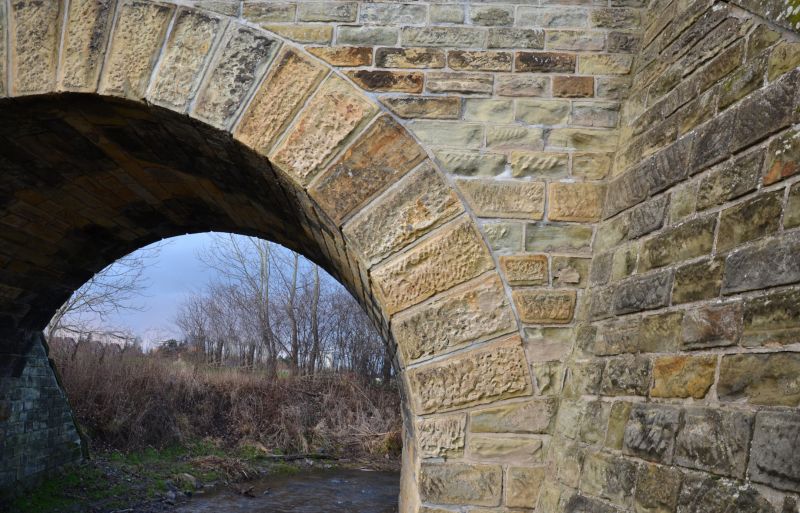
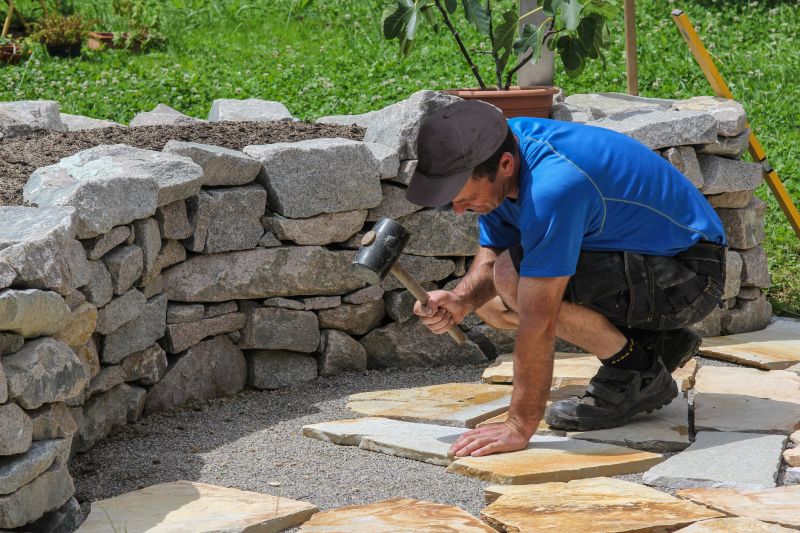
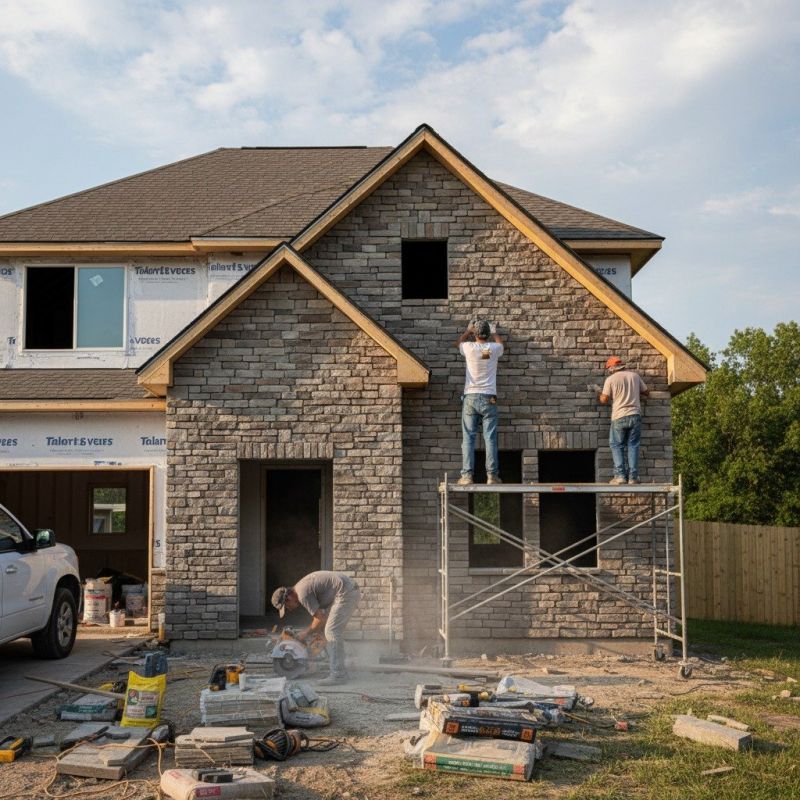
When searching for information about types of natural stone used in stone masonry projects, homeowners often want to understand the variety of materials available for their building or renovation plans. This topic is commonly explored in the context of designing durable and visually appealing features such as fireplaces, patios, retaining walls, or decorative facades. People typically seek guidance on which stones are best suited for their specific project goals, whether that’s creating a rustic look, a sleek modern appearance, or a traditional aesthetic. Understanding the different types of natural stone helps homeowners make informed decisions about the materials that will meet their style preferences, withstand local weather conditions, and align with the structural requirements of their project.
Many projects involving natural stone are driven by the desire for durability, low maintenance, and natural beauty. Homeowners often face questions about how different stones perform over time, how they should be installed, and which materials are best for specific applications. For example, some may be planning to build a stone veneer on a house exterior, while others might want a stone pathway that can handle foot traffic and weather exposure. These plans often require an understanding of the properties of various natural stones-such as strength, porosity, and color variation-and how those properties influence the longevity and appearance of the finished work. Local stone masonry construction service providers can help evaluate these factors and recommend suitable materials based on the project’s scope and local conditions.
The properties of natural stones used in masonry projects vary widely, and these differences influence their suitability for particular applications. Common types include granite, known for its hardness and resistance to scratching; limestone, valued for its softer texture and ease of shaping; sandstone, appreciated for its warm colors and workability; and marble, famous for its elegant appearance and smooth finish. Each type of stone has distinct characteristics that affect installation, maintenance, and overall performance. For homeowners, understanding these properties can clarify which stones will hold up best in their environment and meet their aesthetic preferences. Local contractors experienced in stone masonry can provide insights into these properties and help select the right material for the project’s specific requirements.
Choosing the right natural stone involves more than just selecting a material that looks good; it requires understanding how each type performs in real-world conditions. Homeowners often rely on local pros to assess factors such as climate, soil conditions, and the intended use of the stone feature. These professionals can guide clients through the decision-making process, ensuring the selected material aligns with project goals and environmental factors. Whether the goal is to create a durable retaining wall, a decorative feature, or an outdoor living space, understanding the types of natural stone available and their properties is essential. Connecting with experienced stone masonry service providers can help ensure that the project’s materials are well-suited to the environment and the homeowner’s expectations for longevity and appearance.
Fireplace Surrounds - skilled stone masons can craft durable and attractive fireplace surrounds using various natural stones, requiring similar planning and cutting tools as other masonry projects.
Patio and Walkway Construction - installing stone patios and walkways involves selecting appropriate natural stones and precise placement techniques, which are common skills shared with stone masonry projects.
Retaining Walls - building retaining walls with natural stone demands careful planning and the ability to work with heavy materials, aligning with the techniques used in stone masonry construction.
Garden Borders and Edging - creating natural stone borders for gardens involves similar stone selection and placement skills as other masonry work, handled by local contractors experienced in stone work.
Water Features and Fountains - designing and constructing natural stone water features requires masonry skills in shaping and sealing stones, paralleling those used in stone masonry projects.
Facade Cladding - applying natural stone to building facades involves detailed stone cutting and placement, skills that are directly related to the techniques used in stone masonry services.
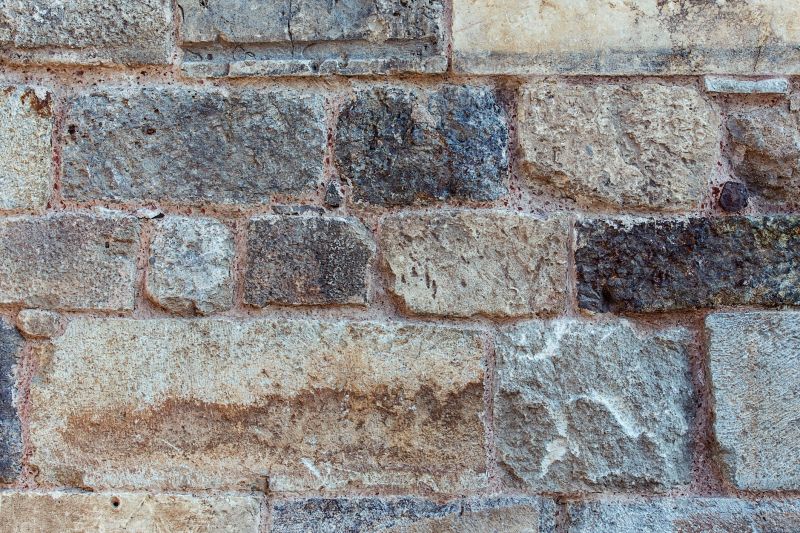
When evaluating local contractors for stone masonry projects involving different types of natural stone, it is important to consider their experience with similar work. Homeowners should inquire about the types of natural stone the service providers have worked with and whether they have completed projects comparable in scope and style. An experienced contractor will have a solid understanding of the unique properties and installation techniques required for various stones, such as limestone, granite, or sandstone, ensuring the finished project meets expectations and withstands local conditions.
Clear, written expectations are essential when comparing stone masonry services. Homeowners should seek detailed descriptions of the scope of work, materials to be used, and the process involved in handling different types of natural stone. A reputable service provider will be transparent about their approach, providing documentation or estimates that outline the project specifics. This clarity helps prevent misunderstandings and ensures that both parties are aligned on the goals and requirements for the project.
Reputable references and effective communication are key indicators of a trustworthy contractor. Homeowners are encouraged to ask for examples of previous projects involving stone masonry, particularly those using the same types of natural stone under consideration. Good communication throughout the process-responding promptly to questions and providing updates-can significantly impact the overall experience. Service providers who prioritize clear dialogue and have a history of satisfied clients are more likely to deliver quality results that align with the homeowner’s vision and needs.
Property owners often search for types of natural stone used in stone masonry projects when they are planning practical projects around their homes and businesses. Local pros provide Stone Masonry Construction services for everyday jobs and straightforward project options.
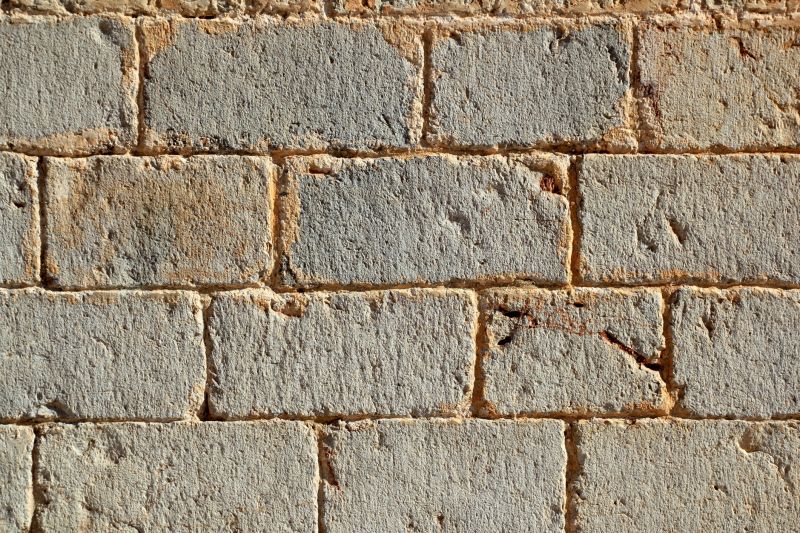
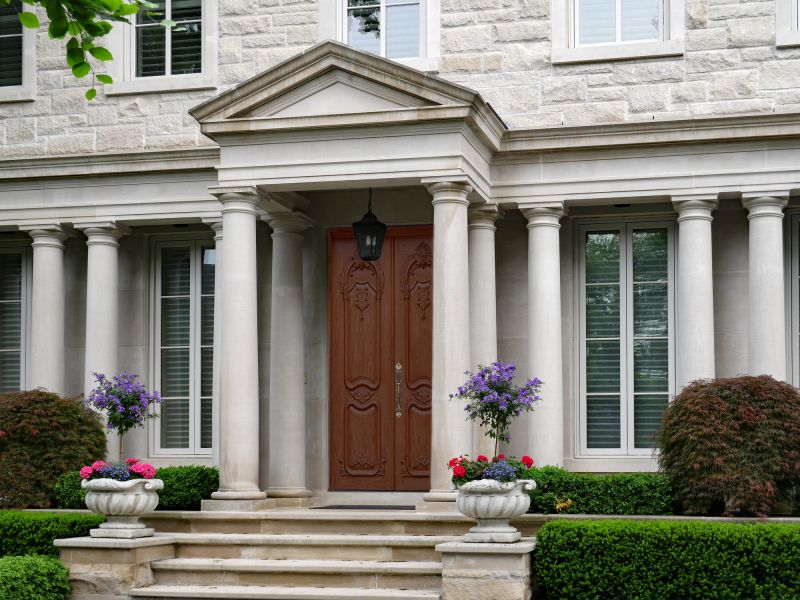
When considering stone masonry projects around a property, understanding the different types of natural stone available can be very helpful. Property owners might look up this topic to learn about the durability, appearance, and suitability of stones like granite, limestone, sandstone, or marble for various applications such as patios, retaining walls, or decorative features. Knowing the characteristics of these materials can assist in making informed decisions that match the style and function desired for outdoor spaces or structural elements.
Local contractors who specialize in stone masonry construction can provide guidance on which natural stones work best for specific projects and conditions. They can help select the right type of stone based on factors like weather resistance, aesthetic preferences, and structural needs. Connecting with experienced service providers ensures that the chosen materials are properly installed, resulting in a durable and attractive finished result that enhances the property's overall appeal.
What are common types of natural stone used in stone masonry projects? Common types include granite, limestone, sandstone, marble, and fieldstone, each offering different aesthetic and structural qualities that local contractors can incorporate into masonry work.
How does the choice of natural stone affect the durability of masonry projects? The durability depends on the stone's hardness and resistance to weathering; local pros can advise on suitable options like granite or limestone based on the project's environment.
Can different natural stones be combined in a single masonry project? Yes, many masonry designs incorporate various stones for aesthetic appeal and structural benefits; experienced local contractors can help select and blend appropriate materials.
What factors should be considered when selecting natural stone for a masonry project? Considerations include the stone's appearance, strength, weather resistance, and compatibility with the project's design, with local service providers guiding the best choices.
Are there specific types of natural stone better suited for certain types of masonry work? Yes, for example, granite is ideal for structural elements due to its strength, while limestone and sandstone are often used for decorative features, with local pros recommending options based on project needs.
Durability considerations - property owners can choose durable natural stones like granite for outdoor projects such as patios and walkways, ensuring long-lasting results with help from local contractors.
Color and texture options - selecting stones like limestone or sandstone can add aesthetic appeal to features like garden walls or facades, with local pros guiding the best choices for visual harmony.
Ease of shaping and installation - softer stones such as limestone are easier to work with for custom features like decorative accents or intricate masonry designs, supported by experienced local service providers.
Weather resistance qualities - understanding how stones like basalt withstand weather conditions helps property owners plan for durable outdoor structures, with local contractors providing expert advice on suitable options.
If you are thinking about types of natural stone used in stone masonry projects for a property, this guide is meant to help you understand this topic, the typical project types, and how different options might fit your plans.
When you are ready, you can use the quote form on this page to share a few details about your project. From there, local pros can review the basics and follow up with options that match what you have in mind.